Hotel food trucks: what German hospitality offers hot dog operators
German hotels are adding food trucks to their F&B offer. A clear concept and a well-kept vehicle make the difference. Hot dog operators, take note.
What is happening
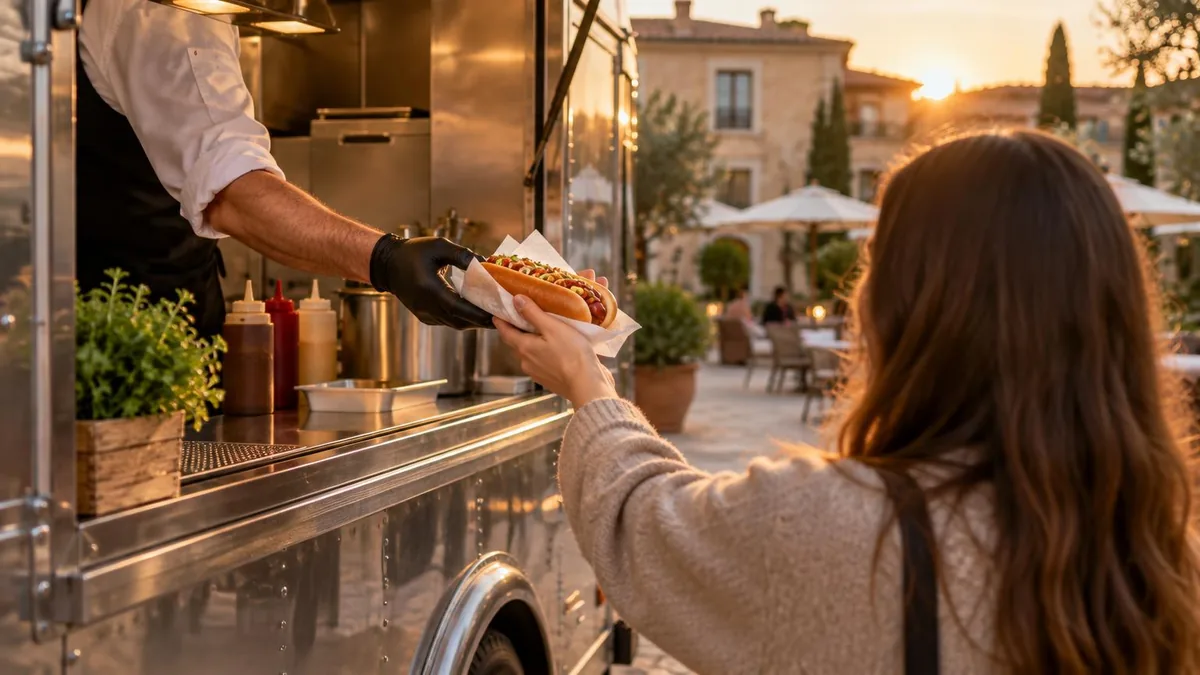
In Germany, a number of hotels are adding a food truck alongside the in-house restaurant, using it for events, outdoor terraces or as an extra service in the warmer months. The story comes from an AHGZ article. AHGZ is a German trade publication covering hospitality and foodservice. It describes how the vehicle becomes an integral part of the F&B offer when the food concept is clear and the vehicle is cared for in every detail, rather than being a simple converted van.
The central point of the German article is not the novelty of the food truck itself, which has been widespread for years in Europe too. It is the idea of building it permanently into a hotel's offer: not an occasional event, but a designed service with a dedicated menu and a visual identity consistent with the rest of the property.
Why it works there
In the German hotel market, the pressure to diversify F&B revenue is strong: many properties look for flexible formats that can generate margin without the fixed commitment of a full dining room. A food truck makes it possible to cover outdoor spaces, corporate events or peak-season periods without disrupting the main kitchen.
The other element that emerges from the German source is the attention paid to the vehicle as an investment, not an incidental cost. A well-kept vehicle with a recognisable identity communicates quality as much as the food served from it: it is part of the experience, not just logistical support.
Where this stands in Europe
The food truck itself is no novelty and has been widespread across Europe for years, as the German article also points out. What is less clear is how far the specific model of a food truck permanently integrated into a hotel's offer has spread beyond the case described by the source. We have no consolidated figures or public data on this, so it is an area to watch, but one to treat with caution: there are no solid quantitative references to rely on.
How to put it into practice
For a restaurant operator or accommodation manager considering this format, the starting point is the same one the German source indicates: a clear concept before the vehicle. A hot dog food truck works if the menu is lean, repeatable and designed for standing or takeaway service, not as a scaled-down version of the in-house restaurant.
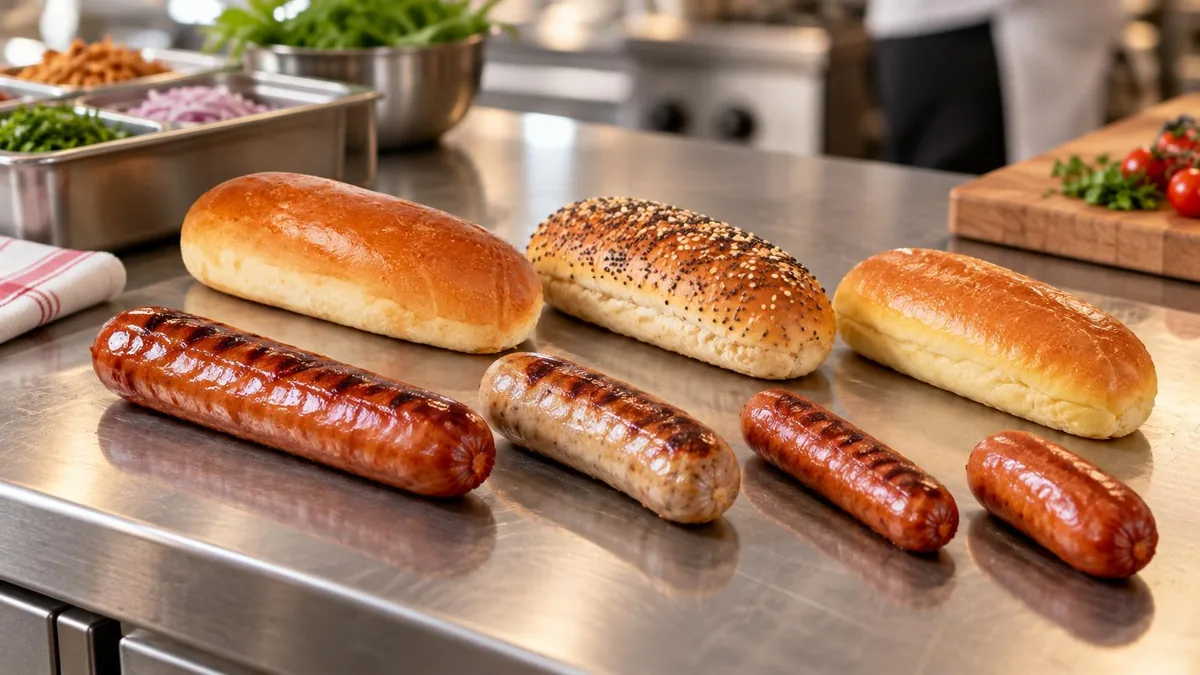
On the bun side, the usual choice is a plain classic hot dog bun, seedless, for its versatility with different fillings, or a plain classic hot dog bun, sesame-topped, if you want to give the product a more distinctive character. If you also serve customers with specific requirements, you can consider a gluten-free hot dog bun line, handled with separate procedures following the guidance of the Associazione Italiana Celiachia (the Italian coeliac association). See our dedicated article on gluten-free hot dog buns.
On the vehicle side, the costs to consider include purchasing or renting the truck, adaptations for the on-board kitchen, municipal permits for parking and food service, and investment in refrigeration and bun storage, a topic covered in our article on blast-chilled or frozen hot dog buns. The choice between an artisan and an industrial supplier for the buns affects both costs and product consistency over time, as explained in artisan or industrial hot dog buns.
The main risks concern daily logistics: loading times, managing food temperatures during service, and compliance with local regulations, which vary from one municipality to another. It is worth studying the opening process carefully before investing in the vehicle, as described in Opening a hot dog kiosk or food truck: how to choose the right bun.
Frequently asked questions
Is a food truck a better option than a fixed kiosk?
It depends on the context: a food truck offers flexibility of location and the chance to follow events or seasonality, but it requires specific investment in the vehicle and permits for mobile trading. A fixed kiosk has more predictable running costs but less freedom to move.
What type of bun is most practical for food truck service?
A plain classic hot dog bun, seedless, is generally the most practical choice because it pairs with different fillings and needs only simple heating procedures, covered in our article on how to heat hot dog buns.
Can a hotel really integrate a food truck into its offer?
In theory yes, but widespread cases and public data are still lacking beyond the German example described by the source. It should be assessed case by case, considering local regulations, available space and consistency with the rest of the property's F&B proposal.