Frozen and blast-chilled hot dog buns: storage, regeneration and stock management
Frozen or blast-chilled hot dog buns: legal differences, steam, griddle or oven regeneration, stock planning for events and menu labelling.
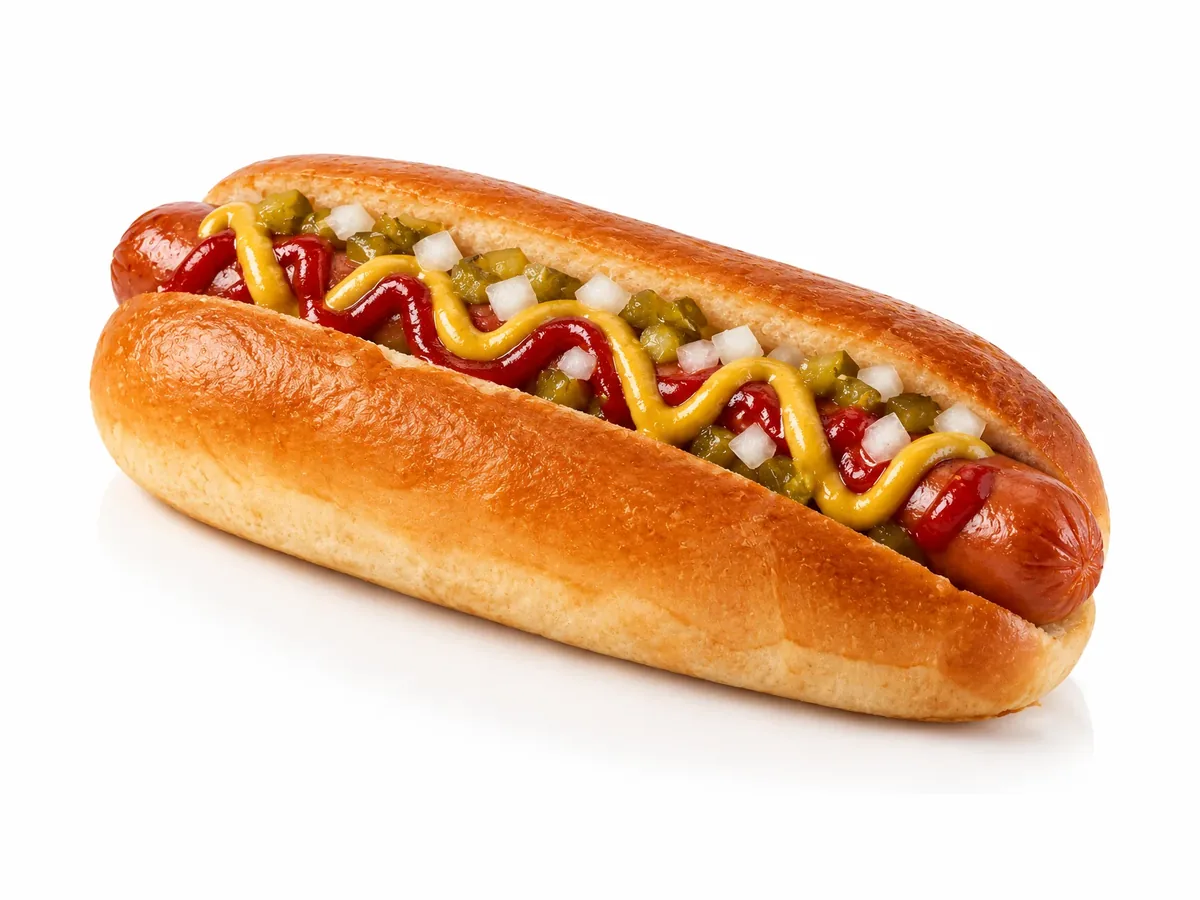
For many street food and quick-service operators, hot dog buns don't arrive fresh every morning – they come straight from the freezer. This approach means the product is always available, cuts down on waste, and makes it easier to handle events and busy periods without added stress. To make the most of it, however, you need to understand the difference between frozen, frozen without quick-freezing, and blast-chilled products, know how to regenerate the buns, and keep in mind the information you owe your customers.
Frozen, frozen without quick-freezing, and blast-chilled: getting the terminology right
These three terms are often used interchangeably, but they are not the same thing.
- Frozen: in Italy, the relevant rules are set out in Legislative Decree 110/1992. A frozen product undergoes a rapid freezing process and must be kept at −18°C or below throughout the supply chain, right up to sale, subject to the short tolerances allowed by the regulation. It is sold pre-packed and the label must state "frozen" together with storage instructions.
- Frozen without quick-freezing: this is a product brought down to sub-zero temperatures without meeting all the requirements for frozen status (for example, in terms of process speed or packaging). Buns of this kind are also kept in the freezer, but they cannot be labelled "frozen".
- Blast-chilled: a blast chiller is the equipment used to rapidly bring a product down to a low temperature, either above zero (chilling) or below zero (freezing). In kitchen language, a "blast-chilled bun" generally means a bun that has been baked and then rapidly frozen using a blast chiller, either by the manufacturer or in-house. From a customer-information standpoint, it remains a frozen product.
There are also part-baked buns, which finish baking on site, and fully baked buns that only need thawing and regenerating. This is information worth reading carefully in the technical data sheet, as it completely changes the kitchen procedure.
Why cold storage works well for hot dog buns
Fresh bread loses its softness relatively quickly: the crumb tends to firm up while the crust softens or dries out, depending on the recipe. Freezing considerably slows down these changes. The practical benefits include:
- constant availability, even with infrequent deliveries;
- less waste, as you only thaw what you need;
- planning for events and peak seasons well in advance;
- more consistent quality from one service to the next.
In return, you need freezer space, a reliable thawing and regeneration procedure, and close attention to the cold chain.
Shelf life: check the technical data sheet
How long do frozen hot dog buns keep for? There is no single figure. Shelf life depends on the recipe, the freezing process, the packaging and storage conditions. The reference point is always the minimum durability date set by the manufacturer on the label or in the technical data sheet, along with the instructions for storage after thawing.
Some general good practice:
- keep packs closed, away from products with strong odours;
- avoid opening the freezer repeatedly and temperature fluctuations;
- apply first in, first out stock rotation;
- never refreeze buns that have already been thawed;
- record the opening date on multipack packaging.
Thawing and regenerating
Regeneration is the moment that determines the quality your customer actually perceives. The manufacturer's instructions should always come first; in general, the process works in two stages.
Thawing
Many hot dog buns thaw at room temperature, inside the closed pack, over a time that depends on size and quantity. Leaving them in the pack reduces moisture loss. For large quantities, it's best to schedule thawing well ahead of service.
Steam
A steamer or steam warmer restores softness and warmth to the crumb and is the classic technique for a "soft" hot dog. The risk is overdoing it: too long in the steam makes the bun chewy or soggy. It works particularly well for milk buns with a side slit.
Griddle
The griddle toasts the contact surfaces, creates a light crust and helps the bun hold up better against sauces. It's ideal for split-top buns, which have flat sides, and for anyone after a crisp-soft contrast. Buns rich in sugars and fats darken quickly, so moderate heat and close attention are needed.
Oven
A convection or combi oven lets you regenerate several buns at once and is convenient for catering and event kitchens. Using a combi oven with a touch of steam limits dehydration. Times and temperatures need to be calibrated for your own oven and your own buns, starting from the manufacturer's guidelines.
Managing stock for events and peak periods
Frozen buns make planning easier, but they don't remove the risk of running out of stock or thawing too much. A few tips:
- Estimate volumes based on data from similar events, where available, and build in a safety margin.
- Thaw in batches throughout the event rather than all at once at the start: thawed buns only keep for a limited time.
- Check the cold storage capacity on site: a food truck has limited space and often needs insulated containers or an external back-up.
- Keep product lines separate, especially if you're also handling a gluten-free bun or one with different allergens.
- Keep records of the quantities thawed, used and discarded, so you can refine your estimates for the next event.
Declaring frozen products on the menu
In Italian foodservice, it is established practice, backed up by case law on trading fraud, to indicate on the menu when a food item is frozen or frozen at source – for example with an asterisk and a note such as "frozen product" or "may be frozen at source". This applies to buns too. Leaving out this information can expose you to disputes. The exact wording should be agreed with your own advisor, also taking into account the mandatory allergen information required under Regulation (EU) No 1169/2011.
Frequently asked questions
Is a bun I blast-chill myself "frozen" in the legal sense?
No. The term "frozen" in this specific legal sense is reserved for products that meet the requirements of Legislative Decree 110/1992, including packaging. A bun blast-chilled below zero in your own kitchen should be treated as frozen without quick-freezing and declared as such.
How long do frozen hot dog buns keep for?
It depends on the manufacturer, the recipe, and correct storage at −18°C or below. The minimum durability date on the label or technical data sheet is what counts, together with the instructions for use after thawing.
Steam or griddle: which is best for regeneration?
Steam gives a soft, warm bun, suited to the classic hot dog; the griddle creates a toasted surface that holds up better against sauces and is ideal for split-top buns. Many venues combine both techniques depending on the bun featured on the menu.