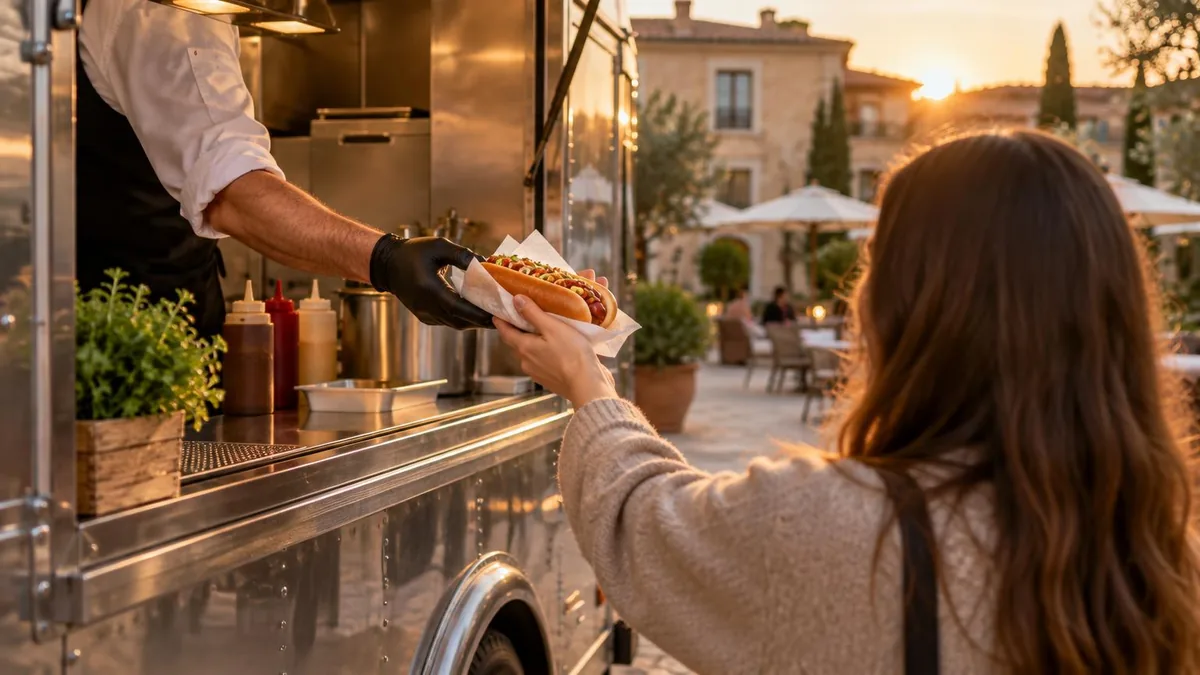
Want more flavour in your hot dogs? Try the Indian-style twist
A US fusion trend: hot dogs dressed with Indian spices and condiments. What it could mean for foodservice menus.
What's happening
For a while now, an idea has been doing the rounds in the US that's got street food fans talking: dressing hot dogs with the flavours of Indian cuisine. The trend is covered in an article by The Takeout, which argues that the meeting of the classic, heavily loaded American hot dog and Indian spices is more natural than it might first appear, opening the door to combinations that remain largely unexplored in the gourmet hot dog scene.
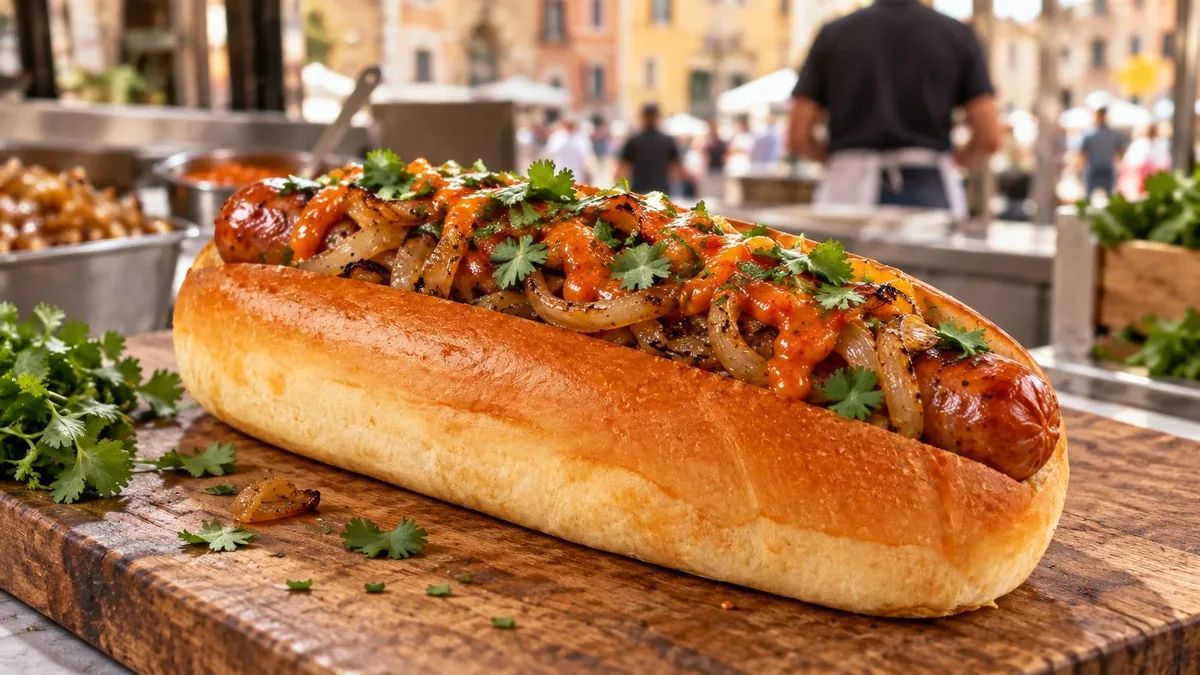
The idea isn't a codified dish from any single chain, but rather a creative cooking suggestion: swapping or pairing the classic condiments (ketchup, mustard, sauerkraut) with elements typical of Indian cuisine — think tamarind or mango chutney, spiced onions, spiced yoghurt, fresh coriander and spice blends such as garam masala or chaat masala. The result is a hot dog that keeps its recognisable structure but shifts completely in flavour register.
Why it works there
The ground is fertile for this kind of experimentation in the US. The American street food market has a long tradition of cross-cultural mash-ups: Korean tacos, Hawaiian-style hot dogs, Mexican sandwiches with Asian fillings are now the norm on food trucks in big cities. The presence of sizeable Indian-heritage communities in many metropolitan areas, combined with a young customer base used to seeking out new food experiences on social media, creates an audience naturally receptive to these fusions.
What's more, the hot dog is by nature an extremely versatile product: the base (sausage and bun) stays neutral and accommodating, while the customisation happens almost entirely through the toppings. That makes it an ideal canvas for grafting on other cuisines, without needing to reinvent the base preparation at all.
Where this trend stands in Europe
There is no public data or evidence of widespread adoption of Indian-style hot dogs on a regular basis in European foodservice. This appears to be a trend that hasn't yet been picked up in European markets, and it isn't possible to estimate how much interest it might generate among European consumers, or how many operators might already be experimenting with it informally.
What can be said more generally is that there is a growing curiosity around fusion offerings in some of the more dynamic European cities, particularly among younger customers and in urban street food settings, where similar experiments (for instance with Asian or Mexican-style sauces) have already found a place on some menus.
How to bring it to a foodservice menu
For a restaurant operator or food truck owner, introducing a hot dog with Indian-inspired flavours can be a low-cost way to test customer interest without overhauling the whole menu. A few practical pointers:
- Start with easily sourced condiments: mango or tamarind chutney, spice-marinated onions, a light spiced yoghurt, fresh coriander.
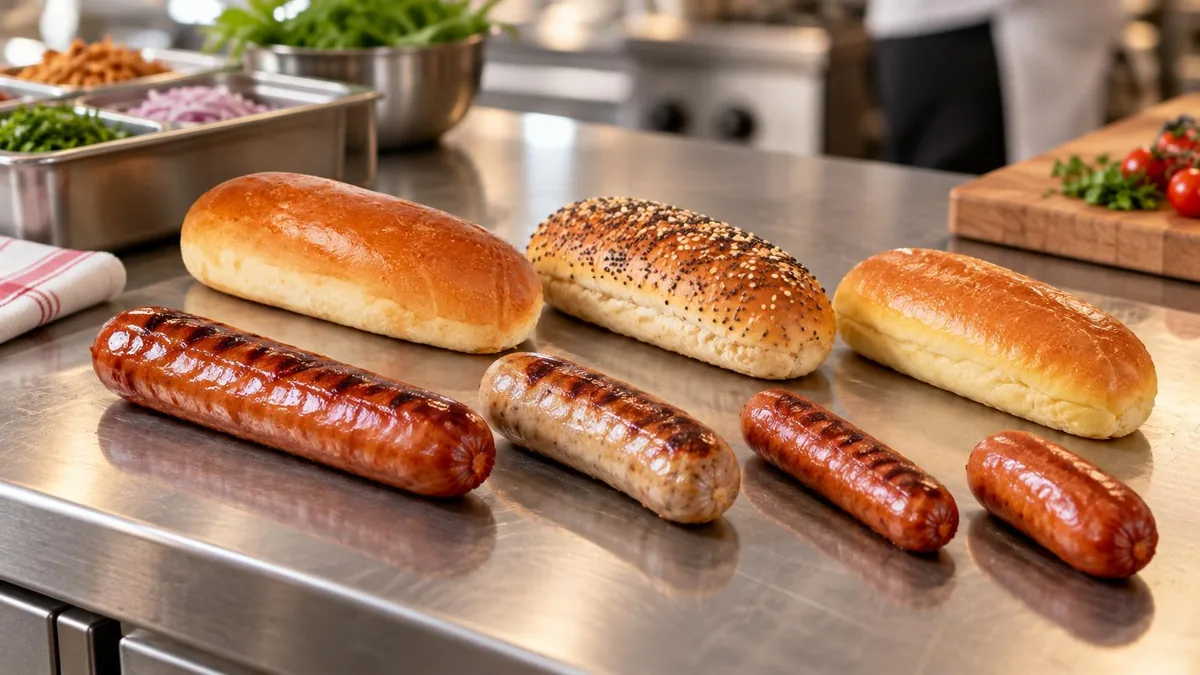
- Choose a classic hot dog bun, plain, seedless, which lets the toppings take centre stage without adding further aromatic notes. Alternatively, for a more rustic touch, a classic hot dog bun, plain, sesame-topped can work well, provided the sesame doesn't clash with the spices used.
- Trial the offering as a limited edition or dish of the month, gauging feedback before adding it to the regular menu.
- Communicate ingredients and allergens clearly, especially given spices less commonly used in European kitchens, to avoid any misunderstanding with customers.
The main risks relate to wasting ingredients that see little other use in the kitchen (certain spices or specific chutneys) and the need to train staff on correctly preparing the condiments, which require a balance of heat and acidity. In terms of cost, the initial investment remains limited: most of the additional ingredients are low-unit-cost spices and sauces, while the bun and sausage components are those already in use.
Anyone running a kiosk or food truck may find it useful to look at how to choose the right bun based on format and sales volume in this article: Opening a hot dog kiosk or food truck: how to choose the right bun. For those looking to fine-tune service, the temperature of the bun also affects how the dish is perceived: How to warm hot dog buns: steam, griddle, oven and grill.
Frequently asked questions
Do you need a special bun for a hot dog with spiced toppings?
No, there's no need for a particular bun: a classic hot dog bun, plain, seedless, is the safest choice because it won't clash with the spice flavours. Those who prefer a more rustic note can consider a sesame-topped version.
Is this idea suitable for a small venue, not just a food truck?
Yes, it can be replicated in a fixed-location venue with a traditional menu, offered as a seasonal or monthly special, without needing to change the whole offering.
Are there allergen risks linked to this type of topping?
Yes, some of the spices, sauces or yoghurt used may contain allergens less commonly found in European cuisine: it's important to list them clearly on the menu and brief front-of-house staff accordingly.
Sources
Source: Wondering How To Pack More Flavor Into Hot Dogs? Make Them Indian-Style